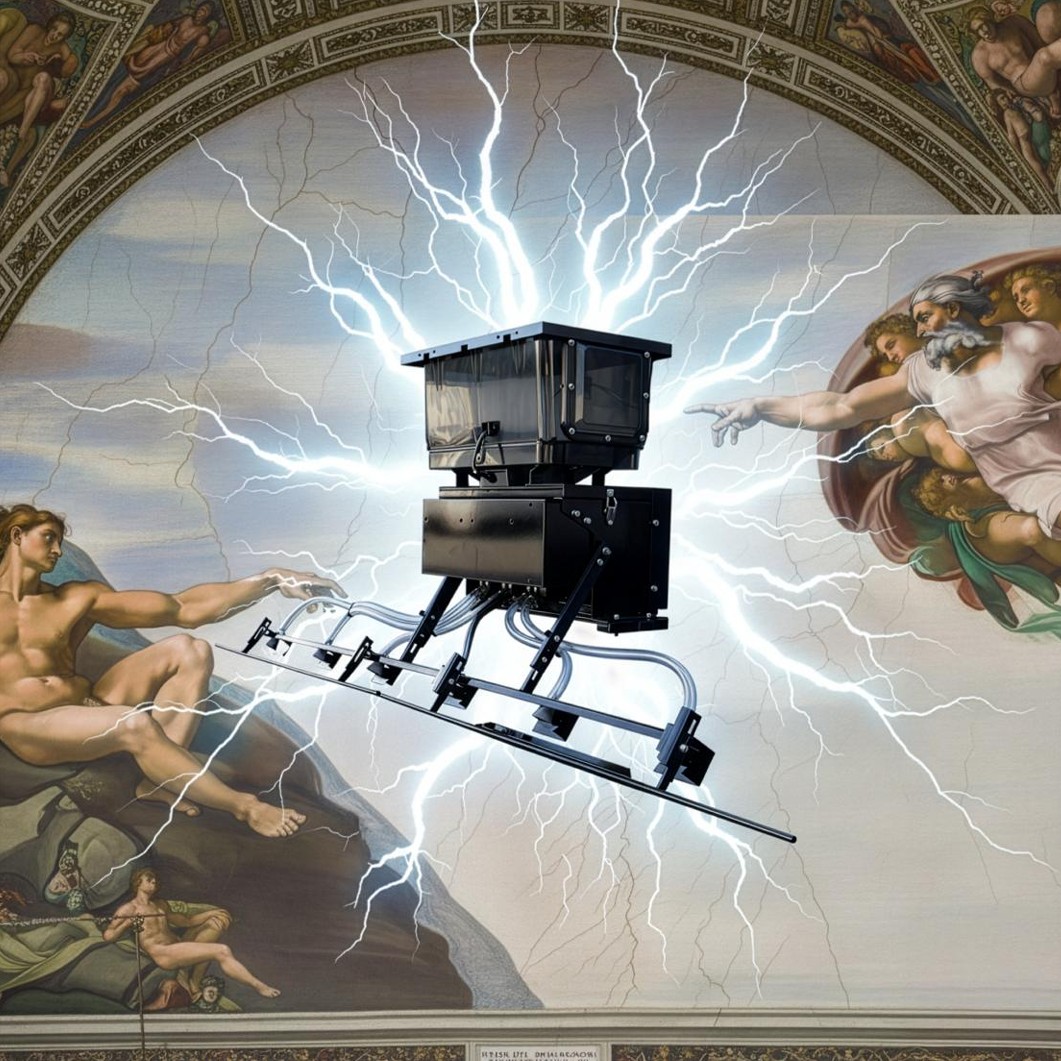
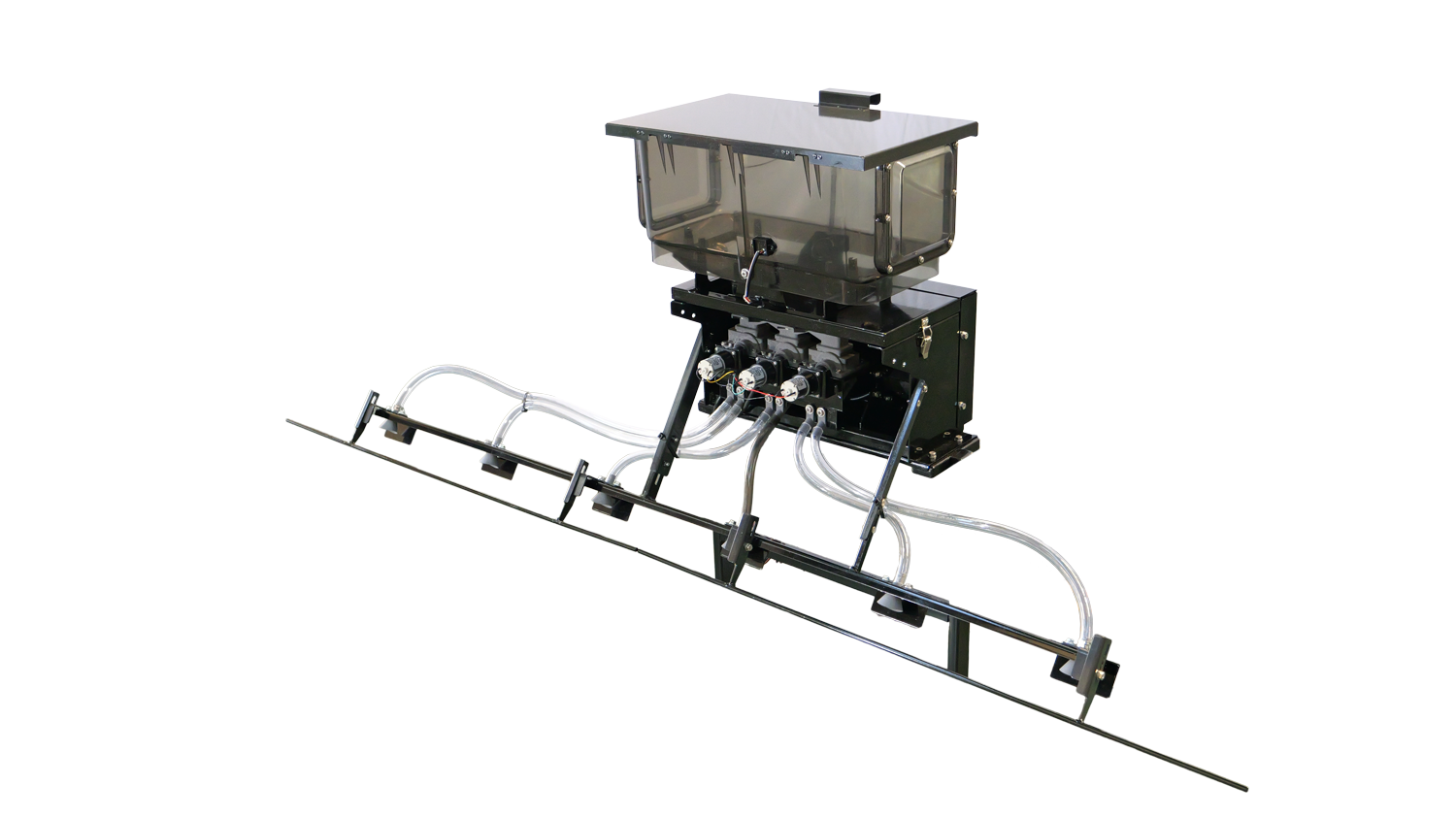
Hosan Vision is ready to once again deliver hope to our farmers. The sterilizing and insecticide sprayer for rice transplanters we’re introducing this time is the result of a dedication to the field.
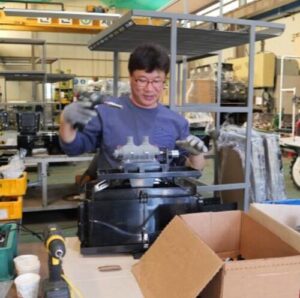
Last April, the development project for a sterilizer and insecticide sprayer for rice transplanters began. After conducting tests at orchards in Geumsan, we finally presented a robust prototype. The person who led this meaningful journey was none other than Manager Do Hyun-dae.
He’s a veteran who has dedicated over 30 years to agricultural machinery design. He possesses a keen intellect and technical acumen, but he’s also a warm and sincere mentor to his employees, earning their deep trust. Manager Do has always taken these words to heart as he approaches development.
“The true answer lies not in the desk, but in the muddy footprints of the peasant.”
His leadership was about actions, not words. He personally demonstrated what true innovation meant by going out into the field, listening intently to the smallest gestures of farmers.
Geumsan and Imsil Farmers Create a Touching Technology Together
Director Do and the development team installed prototypes directly in farms in the Geumsan and Imsil regions and conducted tests with them, as if they were family.
The farmers’ honest complaints about inconveniences and desired improvements were fully reflected in the prototypes.
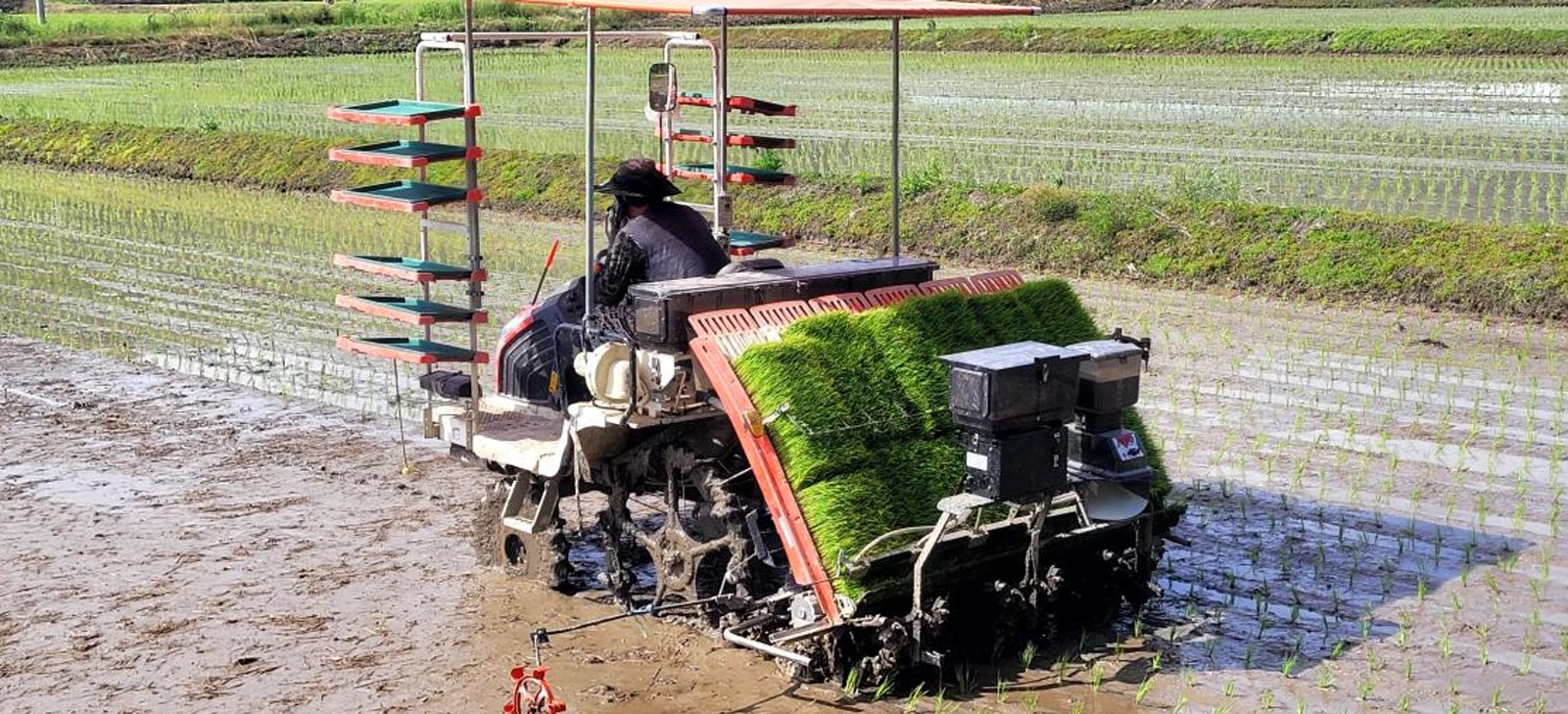
The value of the technology created by farmers and Hosan Vision is amazing.
1. High-precision spraying, delivered to the seedling boxes
Hosan Vision’s proud 7th-generation precision technology, applied in this roll and blower-type spraying method,
allows for precise control of spraying rates from 50 to 300 grams per seedling box.
Thanks to the blower-type delivery method, which is unaffected by moisture or water, it ensures the early, even application of necessary pesticides.
2. A ‘comma’ for farms, increasing efficiency.
By simultaneously handling pest control during transplanting, it reduces labor by approximately 40%, giving farmers a precious “rest” in their lives.
The 25L hopper, Korea’s largest, and a level sensor alleviate concerns about pesticide replenishment, and the individual spraying function ensures precise spraying only where needed.
Resonance from the Field: “We’ve reduced labor, and we can see the results.”
The words of the farmers who participated in the test were our greatest reward and encouragement.
“I didn’t have high expectations because they said it was still in development, but when I actually used it, I was surprised at how well it worked, almost like a finished product.”
“Whenever we raised an issue, they immediately fixed it and brought it back the following week. This is the first time I’ve seen a company that listens so attentively to farmers.”
These heartfelt words eloquently demonstrate that Hosan Vision’s technology is “a technology that has grown in the field.”
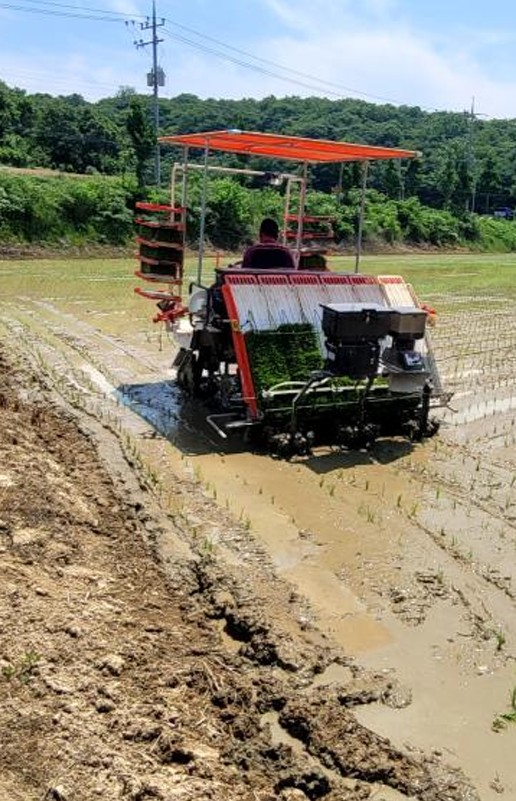
The Voice from the Field: “We’re Reducing Manpower, and Results Are Visible”
The words of the farmers who participated in the test were our greatest reward and encouragement.
“I didn’t have high expectations because it was still under development, but when I actually used it, I was surprised by how well it worked, almost like a finished product.”
“Whenever I mentioned an issue, they immediately fixed it and brought it back the following week. This is the first time I’ve seen a company listen so attentively to farmers.”
These heartfelt words eloquently demonstrate the fact that Hosan Vision’s technology is “a technology grown in the field.”
Love Calls from Major Companies: Recognition of Technological Prowess
At the recent Iksan Agricultural Machinery Expo, this prototype was a huge hit.
Not only farmers but also executives from Daedong, a leading domestic agricultural machinery company, showed keen interest and praised Hosan Vision’s technological prowess. Questions like
, “This is just a prototype?” and “Why is this equipment only available now?”
signified Hosan Vision’s recognition as a key player in the era of precision agriculture.
Hosan Vision will continue to work in the field, easing the burden on farmers and perfecting technologies that produce more abundant harvests.